Guide
How to brew herbs? Infusions, decoctions and macerates – a practical guide

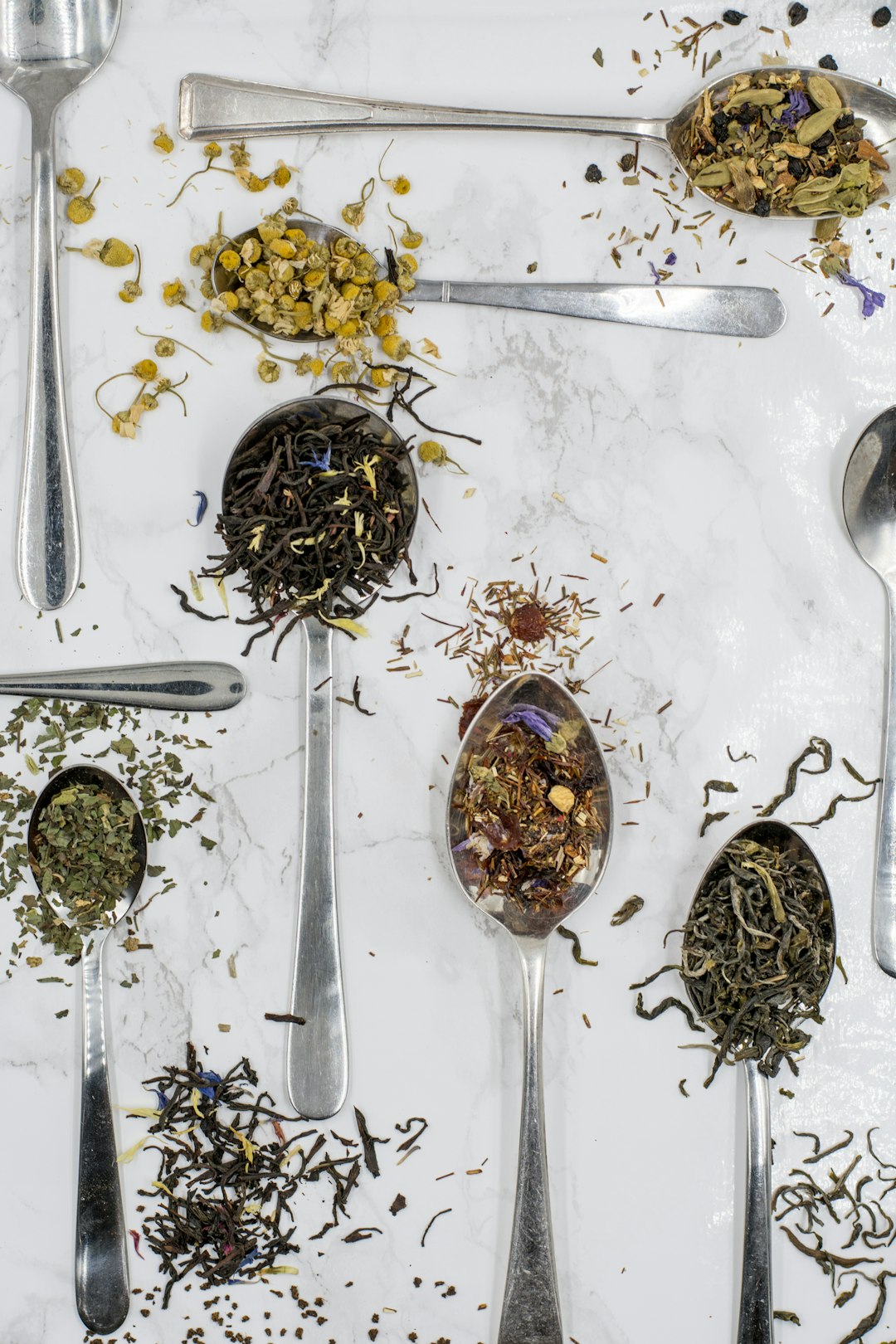
Herbs are prepared in three basic ways: as an infusion, a decoction or a macerate. An infusion (pouring hot water over the herbs and steeping them, covered) is used for flowers, leaves and herbs. A decoction (simmering over a low heat) is used for roots, bark and hard fruits. A macerate (soaking in cold water for several hours) is used for raw materials that easily lose their aroma at high temperatures or contain a lot of mucilage. Below you will find the exact proportions, temperatures and times, a table of the most popular herbs, and answers to the most frequently asked questions about preparing herbs at home.
In a nutshell
- Flowers, leaves and herb – infusion: 1 tablespoon of dried herb to 250 ml of water at a temperature of 85–95°C, left to steep for 10–15 minutes, covered.
- Roots, bark, hard fruits – decoction: simmer for 5–15 minutes, then leave to stand for 10 minutes.
- Delicate or mucilaginous raw materials – maceration: cold, boiled water, 2–12 hours.
- Always steam with the lid on, so that the essential oils don’t escape with the steam.
- The manufacturer’s instructions on the label of the specific product always take precedence.
Why does the way you brew herbs matter?
Every plant material has a different structure. Delicate flower petals release their aroma within a few minutes, whilst a hard, woody root requires much more time and a higher temperature for the water to penetrate it at all. Conversely, some aromatic compounds – such as the essential oils found in mint, lemon balm or chamomile – are volatile and will evaporate with the steam if the pan is left uncovered.
A well-chosen method therefore brings out the full flavour and aroma of the herbs, whilst a poorly chosen one results in a watery, cloudy or unpleasantly bitter infusion. That is why it is worth knowing the three basic techniques and when to use each one.
Infusion – the most common way of brewing herbs
An infusion is simply a matter of pouring hot water over dried plant material and leaving it to stand, covered, for a specific period of time. This is the method we use every day when making herbal tea. It is suitable for soft and delicate parts of plants: flowers, leaves, herbs (i.e. the above-ground parts of the plant) and crushed fruit.
How to make an infusion, step by step
- Measure out the herbs. A standard serving is 1 tablespoon of dried herbs (approximately 2–3 g, depending on how finely ground they are and the weight of the raw material) to 1 glass of water, i.e. 200–250 ml. If the herbs are finely ground, a teaspoon will suffice.
- Podgrzej wodę. Most herbs are best steeped in water at a temperature of 85–95°C. Boiling water can scorch delicate flowers and bring out a bitter taste in some herbs. The simplest method is to bring the water to the boil and then leave it for 1–2 minutes.
- Zalej i przykryj. Pour water over the dried fruit and immediately cover the dish with a saucer, a lid or a special mug lid.
- Steam for 10–15 minutes. This is the ideal time for herbs. The exception is herbs with a very intense flavour – these only need to be steeped for a shorter time.
- Strain it. Strain the infusion through a sieve or muslin. Shake the sediment that collects on the lid back into the infusion – these are the condensed essential oils.
Should I serve the tea in a mug with an infuser, in a teapot or in a thermos flask?
For a single serving, a mug with an infuser and a lid is the most convenient. For several cups, choose a teapot – glass, porcelain or cast iron. A thermos flask comes in handy if you want to have tea for the whole day, but bear in mind that leaving the dried herbs in the thermos flask for several hours will result in a very strong brew. It’s better to brew the herbs in a teapot first, strain them, and only then pour the brew into the thermos flask.
Decoction – a method for preparing roots, bark and hard fruits
A decoction is prepared from hard and woody plant parts: roots, rhizomes, bark, seeds and dried fruits with thick skins (e.g. rose hips). A hot infusion alone is not enough for the water to penetrate deep into such material, which is why the raw material must be boiled.
How to make a decoction
- Put 1 tablespoon of the chopped ingredients into a saucepan (preferably an enamelled, ceramic or stainless-steel one).
- Pour in a glass of cold water and slowly bring to the boil.
- Cook, covered, over a very low heat for 5–15 minutes – for a shorter time for peel and fruit, and for a longer time for hard roots.
- Take it off the heat and leave it to stand, covered, for another 10 minutes.
- Strain it and, if necessary, top it up with water to its original volume, as some of it will have evaporated.
An important tip: if the mixture contains both roots and delicate flowers, you can first prepare a decoction from the hard parts, then pour it over the flowers and leave it to steep, covered, as an infusion.
Macerate – cold infusion
A macerate is an aqueous extract prepared without heating. The dried material is covered with cold, boiled water and left to stand for several hours. This method is suitable for mucilaginous raw materials (e.g. linseed or marshmallow root), which form a thick, sticky mass when placed in hot water, as well as for herbs whose aroma is better preserved without high temperatures.
- Put 1–2 tablespoons of dried herbs into a jar or jug.
- Pour in 250 ml of cold, boiled water.
- Leave to stand for 2–12 hours, preferably in the fridge – particularly in summer and if soaking for a longer period.
- Strain it and drink it within 24 hours.
The same method is used today for the trendy „cold brew” infusions. It works really well when made cold, for example Ivan Chay or blends containing fruit and flower petals. This infusion is milder, delicately sweet and perfectly quenches your thirst.
How long should you steep herbs? A table for common herbs
The table below is a rough guide. Specific recommendations depend on the grind size of the ground coffee and the manufacturer – always check the label.
| Raw material | Method | Temperature | Time |
|---|---|---|---|
| Linden blossom | Infusion | 85–90°C | 10–15 mins |
| Chamomile | Infusion | 85–90°C | 10 mins |
| Mint, lemon balm | Infusion | 85–95°C | 5–10 mins |
| Ivan tea (willow herb) | Infusion | 90–95°C | 5–7 mins |
| Rosehip petals | Infusion | 80–90°C | 5–10 mins |
| Nettle (leaf) | Infusion | 90–95°C | 10–15 mins |
| Rosehip (dried, crushed) | A decoction or a long infusion | boiling / 95°C | 10–15 mins |
| Roots (e.g. liquorice, dandelion) | Decoction | cooking | 10–15 mins |
| Linseed | Macerate | cold water | 2–8 hours. |
| Herbal blends | According to the manufacturer | as per the label | as per the label |
How do you brew herbal tea blends?
Blends consist of various parts of plants – flowers, leaves, but also roots and fruits. That is why manufacturers usually specify individual preparation methods for them: sometimes this involves steeping, sometimes brief boiling, and sometimes a combination of both methods. In the case of Jakub Babicki’s traditional herbal blends The amount of herbs, the water temperature and the brewing time should be selected in accordance with the instructions on the packaging, as the individual blends in this range differ in their composition and the proportions of their ingredients.
If you’re making your own blend using single-ingredient herbal products, follow this rule: choose the method based on the hardest ingredient. If the mixture contains a root, prepare a decoction; if it consists only of flowers and leaves, an infusion will suffice.
What sort of water should I use for brewing herbs?
Water makes up over 99% of the brew, so it has a huge impact on its flavour. A few rules:
- Use fresh water. Don’t boil the same water in the kettle several times – it loses oxygen and the brew ends up tasting flat.
- Avoid very hard water. The high levels of calcium and magnesium cause a film to form on the surface of the brew, and the flavour is less pronounced. A filter jug or spring water with a low mineral content can help.
- Do not use hot tap water. Always pour cold water into the kettle.
- Keep an eye on the temperature. A kettle with a temperature control is a handy solution, but you can also simply wait 1–3 minutes after the water has boiled.
Sweeteners and additives – how not to spoil your brew
Many people like to sweeten their herbal tea. It’s best to do this once the tea has cooled down a little – both honey and fruit syrups lose some of their flavour when added to a very hot liquid. Natural syrups are a good option, as they both sweeten and add flavour:
- raspberry syrup – a classic combination with linden blossom,
- pine syrup – a resinous, woody note for winter evenings,
- syrop pigwowy – a tangy, autumnal flavour that serves as a substitute for lemon,
- wild plum syrup with erythritol – for people who want to cut down on sugar.
You can find more ideas on combining syrups with infusions in the article natural syrups for tea.
The most common mistakes when brewing herbs
- Brewing without a lid – the aromatic essential oils evaporate with the steam, and the infusion has a less pronounced flavour.
- Pouring boiling water over flowers – the delicate tea leaves may „burn”, and the brew takes on a bitter aftertaste.
- Roots that have been steeped for too short a time – A few minutes in hot water isn’t enough to bring out the flavour from a tough ingredient.
- Too much dried fruit – More isn’t always better. Follow the instructions on the label.
- Leaving the brew to stand for too long – It’s best to drink herbal tea whilst it’s fresh. If you need to store it, keep it in the fridge and drink it within 24 hours.
- Improper storage of dried fruit – Moisture, light and foreign odours quickly cause herbs to lose their aroma.
How to store herbs so they don’t lose their flavour
Even the best-brewed herbs won’t taste good if they’ve been stored incorrectly. Keep herbs in airtight containers – glass jars with lids, tins or their original resealable packaging. Choose a dark, dry cupboard away from the hob and kettle. Do not store herbs next to spices, coffee or strongly scented products. Check the dried herbs from time to time for any signs of damp or food pests.
You can find a detailed guide on this topic in the article how to store preserves in jars, where we also discuss the storage of dried produce and mushrooms.
Frequently asked questions about brewing herbs
Can you pour boiling water over herbs?
Hardy ingredients, such as rosehips, can withstand boiling water well. Delicate flowers and leaves are best steeped in water at a temperature of 85–95°C, which means waiting 1–2 minutes after the water has come to the boil.
How long should you leave herbal tea to steep?
A typical steeping time for flowers and leaves is 10–15 minutes, covered. For strong-flavoured herbs, such as mint, 5–10 minutes is sufficient.
What is the difference between an infusion and a decoction?
An infusion is prepared by pouring hot water over the dried plant material, whilst a decoction is made by boiling the raw material over a low heat. Infusions are used for flowers and leaves, whilst decoctions are used for roots, bark and hard fruits.
Can you brew herbs several times?
Some, such as Ivan Chai, can be brewed 2–3 times. However, most herbs release the most flavour during the first brew, so subsequent brews will be considerably weaker.
Can you add syrup to a hot brew?
You can, but it’s better to wait until the infusion has cooled down a little. Syrups and honey lose some of their flavour in very hot liquid.
How long can the prepared infusion be kept?
It is best to drink it straight away. The infusion can be kept in the fridge, in a sealed container, for up to 24 hours.
Herbs for making herbal tea at the Polskie Słoiki shop
In our shop, you’ll find herbal teas, single-ingredient dried herbs, such as lime blossom or dried rosehip petals, and Jakub Babicki’s herbal blends in 250 g packs. The recommended method of preparation is stated on the label of each product.
If you’d like to find out more about one of the most interesting herbal teas from Polish meadows, read our guide to Ivan Chai, or willow herb.
This article is for information purposes only. It is not a substitute for advice from a doctor or pharmacist. People taking medication, pregnant or breastfeeding women, and parents of young children should consult a doctor or pharmacist before introducing herbal infusions.
 Polish
 English
 German