
Guide
Oxymel, or vinegar with honey: what it is and how to use it in the kitchen

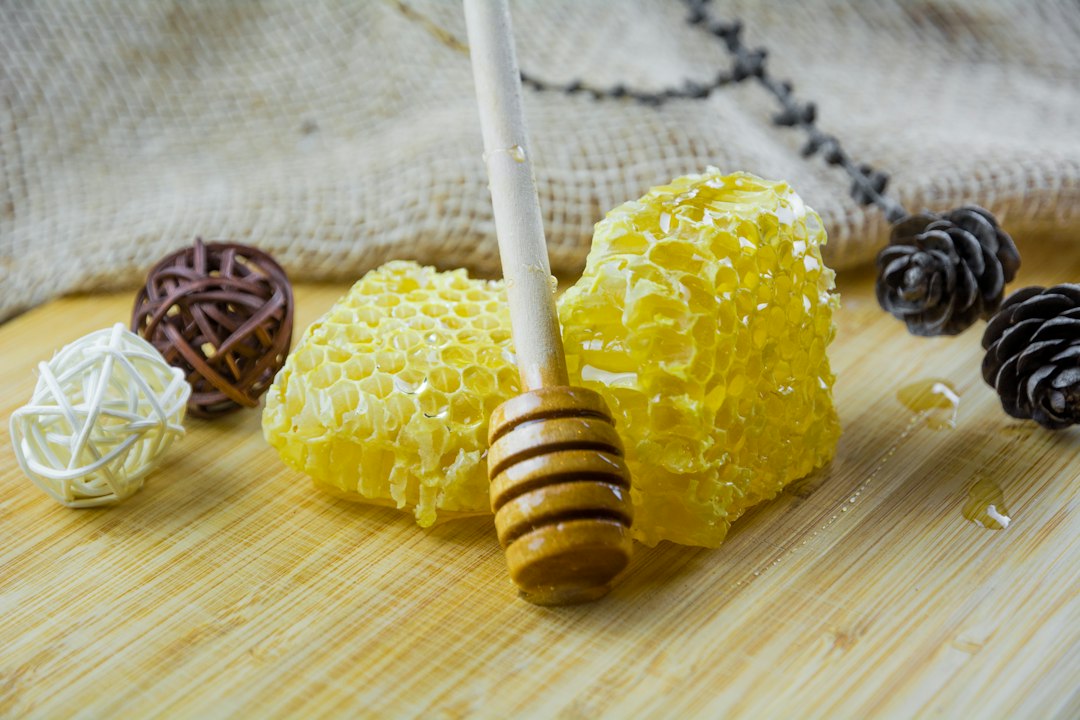
Oxymel is a mixture of vinegar and honey – usually apple cider vinegar and honey – often enriched with herbs, fruit or spices. The name comes from Greek: oxys means „sour”, and meli „honey”. Sweet-and-sour oxymel is diluted with water to make a drink, added to salad dressings, marinades and glazes, and also to tea. In this article, we explain what honey vinegar is, where it comes from, how to use it in the kitchen, how to make it at home and how to store it.
In a nutshell
- Oxymel is a mixture of vinegar and honey, usually in a ratio of 1:1 to 1:3.
- It has been known since ancient times and has been described by, amongst others, Greek and medieval authors.
- The simplest way to use it: 1 tablespoon of oxymel per glass of water, either warm or cold.
- In the kitchen, it works well in dressings, marinades, glazes and drinks.
- Honey, and therefore oxymel, should not be given to children under one year of age.
What is oxymel?
Oxymel, simply „vinegar with honey” in Polish, is one of the oldest known herbal remedies. In its simplest form, it consists of just two ingredients: vinegar (usually apple cider vinegar, less commonly wine vinegar) and runny honey. The acetic acid and sugars in the honey combine to create a distinctive sweet-and-sour flavour, which can be enhanced as desired.
Nowadays, the most common varieties are flavoured oxymels, in which vinegar and honey form the base for various additions: fruits (raspberries, sea buckthorn, rosehips), flowers (rose petals, lime blossom), shoots and needles from coniferous trees (pine) or spicy herbs and vegetables (garlic, onion, horseradish, ginger, turmeric, cayenne pepper). These ingredients are left to macerate in the vinegar and honey for several weeks, imparting their aroma and colour to the mixture.
Oxymel versus apple cider vinegar – how do they differ?
Apple cider vinegar on its own is very sour and difficult to drink, even when diluted. Honey mellows its sharpness, rounds out the flavour and makes the drink pleasant. Honey dissolved in water, on the other hand, can sometimes taste rather bland – the tangy note of the vinegar adds a touch of freshness. Oxymel is therefore a compromise that combines the best of both ingredients into a single, balanced flavour.
The history of honey vinegar
The combination of vinegar and honey was already known in ancient Greece. References to oxymel appear in writings attributed to Hippocrates and his pupils, and later in the works of Roman and Byzantine authors. In the Middle Ages, oxymel was a staple of apothecary recipes in Europe and the Arab world – it was described, amongst others, by the Persian scholar Avicenna.
For centuries, vinegar and honey were also simply an everyday drink. At a time when the quality of water from town wells was often unreliable, adding vinegar and honey improved its taste. In Central Europe, fruit vinegar-based drinks played a similar role. Today, oxymel is making a comeback as an element of herbal cuisine and an interesting, natural culinary ingredient.
Types of oxymel – a guide to flavours
At the Polskie Słoiki shop, you’ll find several varieties of vinegar mixed with honey. Each has its own distinct character and different uses in the kitchen:
| Oxymel | Flavour profile | What does it go best with? |
|---|---|---|
| Pine 100 ml / 500 ml | Sweet and sour, resinous, woody | Hot drinks, tea, meat marinades, game sauces |
| Raspberry 100 ml | Fruity, fresh, milder | Lemonades, salad dressings with goat’s cheese, desserts |
| Raspberry and lime, 150 ml | Fruity and floral, with a hint of honey | Water with ice, herbal tea, fruit salads |
| Rose petals 100 ml | Floral, delicate, elegant | Drinks, fruit salad dressings, yoghurt-based desserts |
| Sea buckthorn and rosehip 100 ml | Distinctly tart and refreshing | Drinks, dressings, sauces for fish and poultry |
| Oxymel with garlic, onion, horseradish, ginger, turmeric and cayenne pepper, 100 ml | Intense, spicy, warming | Marinades, salad dressings, additions to soups and stews, warming drinks |
You can find the full range in the category vinegar and honey.
How should you drink oxymel?
Oxymel is concentrated, so it must always be diluted. The most common methods are:
- With water – 1 tablespoon (approx. 15 ml) of oxymel per glass of water (250 ml). The water can be warm, cold or sparkling. It’s the simplest, most refreshing drink.
- With herbal tea – a teaspoon of oxymel in a slightly cooled infusion, e.g. made from lime blossom or Ivan Chayu, giving it a sweet-and-sour flavour.
- As a shrub – Oxymel with sparkling water, ice and a slice of citrus is a non-alcoholic drink known in English and American cuisine as shrub.
- With juice – a teaspoon of oxymel in a glass of apple juice or raspberry juice 100% When diluted with water, it cuts through the sweetness.
It is best to adjust the proportions to suit your own taste, starting with a smaller amount. Due to the acidity of the vinegar, oxymel should not be drunk undiluted. After drinking acidic drinks, it is a good idea to rinse your mouth with water, which is beneficial for your tooth enamel.
Oxymel in the kitchen – 8 ways to use it
Vinegar with honey is a ready-to-use, balanced ingredient in the kitchen that can be used in recipes instead of adding vinegar and honey separately. Here are our favourite ways to use it:
1. Salad dressing
Mix 1 tablespoon of raspberry or rose oxymel, 3 tablespoons of olive oil, a teaspoon of mustard, and a pinch of salt and pepper. This dressing goes well with a mixed salad of goat’s cheese, walnuts and pear.
2. Meat marinade
For a marinade for pork neck or chicken thighs, use 3 tablespoons of pine or spicy oxymel, 2 tablespoons of oil, chopped garlic, marjoram and pepper. The acid tenderises the meat, whilst the honey helps to create an appetising, caramelised crust.
3. Vegetable glaze
Drizzle some olive oil over chopped carrots, beetroot or pumpkin, roast them, and towards the end of cooking, pour over a mixture of 2 tablespoons of oxymel and a tablespoon of butter. The vegetables will take on a glossy sheen and a sweet-and-sour flavour.
4. Fish sauce
Oxymel with sea buckthorn and wild rose, mixed with olive oil, dill and a dash of mustard, makes a quick sauce for roasted salmon or trout.
5. A side dish for soups
A few drops of spicy oxymel added at the end of cooking brightens up the flavour of borscht, cabbage soup or lentil soup – just as vinegar or lemon juice does.
6. Yoghurt-based desserts
A teaspoon of rose or raspberry oxymel mixed with Greek yoghurt and fresh fruit makes for a simple dessert with a hint of tartness.
7. Homemade lemonade
Add 4 tablespoons of raspberry and lime oxymel, the juice of half a lemon, ice and a few mint leaves to a jug containing a litre of water. If you prefer a sweeter version, add a tablespoon elderflower syrup.
8. Pickles and vegetables in brine
Oxymel goes well with salads made with pickled vegetables – A few drops mixed with linseed oil make a simple dressing for sauerkraut or gherkins.
How do you make oxymel at home?
It’s easy to make basic oxymel yourself. You’ll need a clean, sterilised jar, apple cider vinegar (preferably natural, unfiltered), runny honey and your choice of ingredients.
- Prepare the accompaniments. Wash the fruit, flowers or herbs thoroughly and pat them dry (or use dried ones). Grate or thinly slice hard spices, such as ginger or horseradish.
- Fill the jar. The ingredients should take up about one-third to one-half of the jar’s volume.
- Mix the vinegar with the honey. The most common ratio is 1 part honey to 1–3 parts vinegar. The more honey you use, the milder and sweeter the oxymel will be.
- Pour the ingredients over the top. The liquid must completely cover the ingredients to prevent them from going mouldy.
- Close the jar. Separate the metal lid from the vinegar with a layer of baking paper, as the acid may react with the metal.
- Leave it for 2–4 weeks. Keep the jar in a cool, dark place and give it a gentle shake every few days.
- Strain it. Pour the finished oxymel into a bottle and label it with the date and ingredients.
Making it at home requires patience and cleanliness. If you want a consistent, reliable flavour and the ingredients listed on the label, it will be more convenient to use ready-made oxymel from the ‘vinegar and honey’ category.
How do you choose the right oxymel for you?
If you’re just starting out with honey vinegar, choose a flavour that appeals to you. For those who like fruit, the easiest way to start is with the raspberry or raspberry-and-lime-blossom varieties – these are the mildest. Lovers of woodland aromas should try the pine oxymel, which is also available in a larger 500 ml bottle. Oxymel with sea buckthorn and wild rose will appeal to those who enjoy a distinct tartness, whilst the spicy version with garlic, horseradish and ginger is for those who appreciate sharp, distinctive flavours and wish to use honey vinegar mainly in savoury cooking. It’s also a good idea to buy a few small bottles and compare the flavours.
How should oxymel be stored?
Vinegar and honey are ingredients with a naturally long shelf life, which is why oxymel keeps well. Keep the bottle tightly sealed in a cool, dark place. Once opened, follow the manufacturer’s instructions on the label – some oxymel containing fresh ingredients is best kept in the fridge. A sediment from plant-based additives or crystallised honey may form at the bottom of the bottle – this is a natural occurrence. Simply shake the bottle before use.
You can find more general guidelines on storing jars and bottles once they have been opened in the article how to store preserves.
Who is oxymel suitable for, and who should exercise caution?
Oxymel is simply a food product made from vinegar and honey, so it can be part of your everyday cooking. However, it is worth bearing in mind a few rules:
- Honey, and therefore oxymel, should not be given to children under one year of age.
- People who are allergic to bee products or to any of the additional ingredients should avoid this product – always check the ingredients list on the label.
- People with a sensitive stomach or gastrointestinal conditions should exercise caution when consuming acidic foods and, if in doubt, consult their doctor.
- Oxymel contains sugars derived from honey – it’s worth bearing this in mind when planning your daily diet.
Frequently asked questions about oxymel
What is oxymel?
Oxymel is a mixture of vinegar and honey, often enriched with herbs, fruit or spices. It has a sweet-and-sour taste and is used diluted in drinks and as an ingredient in dishes.
How much oxymel should I add to the water?
Usually 1 tablespoon per glass of water (250 ml). It’s a good idea to adjust the proportions to suit your own taste and the manufacturer’s recommendations.
Can oxymel be added to hot tea?
Yes, but it’s best to add it to a liquid that has cooled down a little. In a very hot liquid, honey loses some of its flavour.
Which vinegar is best suited for oxymel?
Apple cider vinegar, which has a mild, fruity flavour, is the most commonly used. Wine vinegar can also be used. Spirit vinegar is not used, as it is too sharp.
Does oxymel go off?
Vinegar and honey naturally have a long shelf life, but oxymel containing herbal additives should be used by the date stated on the label and stored in accordance with the manufacturer’s instructions.
How does oxymel differ from shrub?
A shrub is a drink or syrup made from vinegar, sugar and fruit, popular in English and American cuisine. Oxymel is its older relative – it contains honey instead of sugar.
Where can I buy vinegar with honey?
You’ll find ready-made oxymels in pine, raspberry, rose, sea buckthorn and wild rose flavours, as well as a spicy version with garlic and horseradish, in the category vinegar and honey at the Polskie Słoiki shop. They go perfectly with natural syrups i herbal teas.
Looking for a gift idea? A set of a few small bottles of oxymel makes an original gift for a cooking enthusiast. You’ll find more inspiration in the article gifts featuring local specialities for the festive season.
This article is for information and culinary purposes only. It is not a substitute for advice from a doctor or dietitian. Before using the product, please check its ingredients and the information on the label.
 Polish
 English
 German
One thought on “Oxymel, czyli ocet z miodem: czym jest i jak go używać w kuchni”